Museo Memoria y Tolerancia Tickets
Museo Memoria y Tolerancia tickets get you skip-the-line entry to one of Mexico City's most affecting museums, a Plaza Juárez institution built around two wings: Memory, which traces the Holocaust and other genocides, and Tolerance, which turns to discrimination and human rights closer to home. This guide covers what a ticket includes, what the two hours actually feel like, and how to plan a visit that leaves room to sit with it afterward.
About This Ticket
Check Availability & Prices
Entry windows are timed, and the museum limits how many people move through the galleries at once. Booking ahead means one less thing to plan on a day that deserves some mental space.
Why This Museum Matters
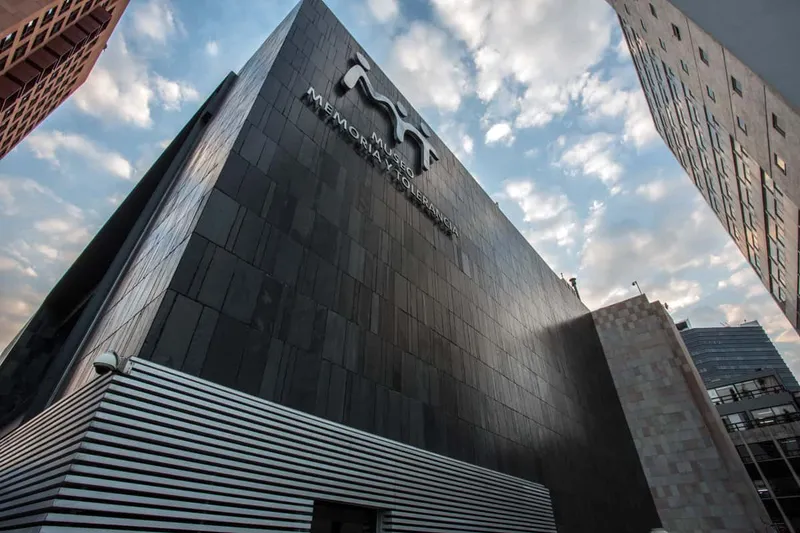
Museo Memoria y Tolerancia opened in 2010 in Plaza Juárez, a short walk from Bellas Artes, and it was built with a specific argument in mind: that remembering how genocide happens is inseparable from understanding how ordinary discrimination and hate speech pave the way toward it. The building itself, designed by Arditti+RDT, splits that argument into two physical wings visitors move through in sequence.
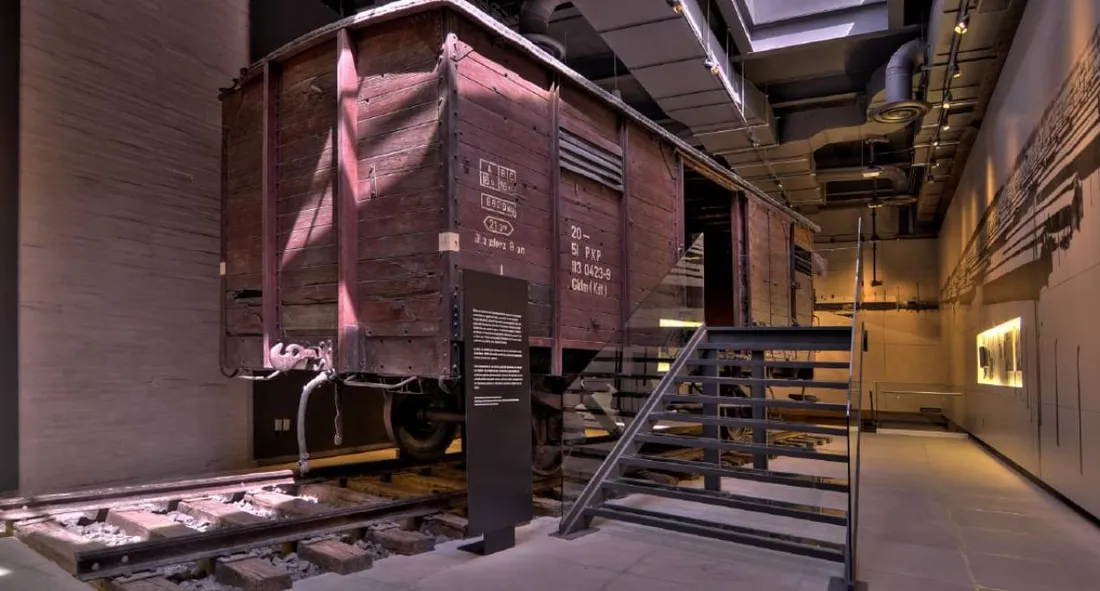
The Memory wing centers on the Holocaust but widens out to the genocides in Armenia, Cambodia, Rwanda, Darfur, and Guatemala, using survivor testimony, photographs, and a preserved deportation rail car to make the scale of each event concrete rather than abstract. The Tolerance wing then turns the lens toward the present, covering discrimination, stereotyping, and the mechanics of hate speech in everyday life.
It is not a casual afternoon stop, and it does not try to be. Reviewers consistently describe it as heavy but necessary, the kind of museum that changes how a trip to Mexico City is remembered. To balance a visit here with lighter stops, our guide to the museums of Mexico City maps out every option nearby.
What You'll See
- Memory wing galleries tracing the rise of Nazism and the Holocaust, room by room
- A preserved deportation rail car used to transport prisoners to concentration camps
- A recreated hiding space evoking Anne Frank's annex, among the wing's more immersive installations
- Dedicated rooms on the genocides in Armenia, Rwanda, Cambodia, and Darfur
- The Tolerance wing, covering discrimination, stereotyping, and hate speech through interactive displays
- A closing reflection space designed as a quieter transition back out
- Rotating temporary exhibitions, which vary by season and sometimes carry a separate ticket
What's Included (and What's Not)
What your ticket includes:
- ✓ Skip-the-line entry to both permanent wings
- ✓ Access to the full self-guided route through Memory and Tolerance
Not included:
- ✗ Guided tour (available separately; check the booking page for current options)
- ✗ Any temporary or special exhibition that carries its own admission
- ✗ Transportation to Plaza Juárez
How Your Visit Flows
-
On arrival
Check in and get oriented
Show your ticket at the entrance, pass through a light bag check, and pick up any available audio guide before heading into the Memory wing.
-
First hour
Move through the Memory wing top-down
The route is chronological, starting with the buildup to the Holocaust and continuing through its galleries at whatever pace feels right.
-
Midway
Stop at the rail car
The preserved deportation car sits at one of the wing's most visited points, and most visitors pause here longer than anywhere else.
-
Second segment
Continue into Armenia, Rwanda, Cambodia, and Darfur
Each genocide gets its own dedicated room, connected by a shared thread on how mass violence takes hold.
-
Final stretch
Move into the Tolerance wing
The tone shifts here, from historical atrocity to present-day discrimination, stereotyping, and hate speech.
-
Before you leave
Sit in the reflection space
A quieter closing area gives visitors a deliberate moment to decompress before stepping back onto Plaza Juárez.
Important Things to Know
What to pack
Travel light. Lockers are available for bags, and there is little to carry once inside beyond a phone and a bottle of water for afterward. Save the water for after the visit rather than during, since food and drink aren't part of the gallery experience.
What to leave behind
Large bags and backpacks are best left at your hotel or checked at the lockers rather than carried through. Given the content, this is also not the right stop for young children, and the museum's own guidance points toward ages 12 and up.
Insider Tips
- Go on a weekday morning when the galleries are quietest and easiest to move through at your own pace
- Use the English audio guide if you don't read Spanish; most gallery text is in Spanish only
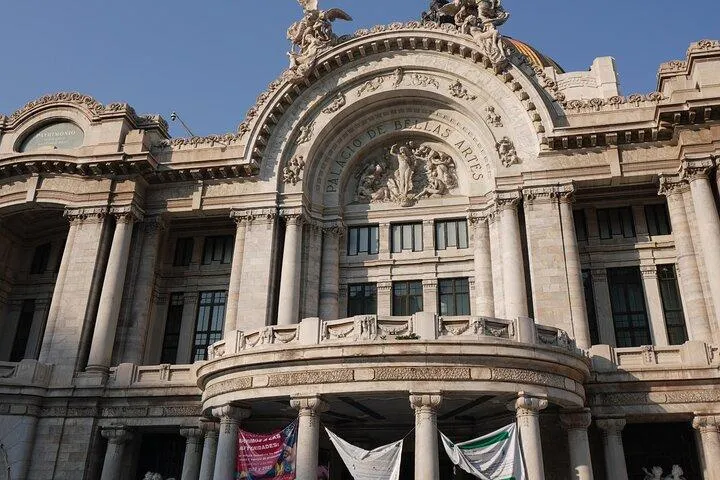
- Save Bellas Artes or a walk through the Alameda for afterward, not before. It works better as a gentler decompression stop than as a warm-up
- Give it closer to three hours rather than two if the rail car and the genocide rooms are where you expect to linger
- Weekday visits also tend to move faster through the entrance check than weekend afternoons
- If a guided tour is offered on the day you visit, it adds context that the self-guided route sometimes leaves implicit
Where You're Headed
Who It's For
- Travelers who want to understand Mexico City beyond its restaurants and ruins
- Anyone with an interest in twentieth-century history or human rights
- Visitors planning a Centro Histórico day who want one substantial stop rather than several rushed ones
- Those comfortable spending an unhurried two to three hours with difficult material
Not ideal for
Young children, given the graphic nature of some Holocaust and genocide content, and anyone working with a tight one-hour window who won't be able to give the galleries the time they need.
How long should I allow for Museo Memoria y Tolerancia?
Plan on two hours at minimum, though many visitors take closer to three, especially if they read through the rail car exhibit and each genocide room in full.
Is the museum appropriate for children?
It's recommended for ages 12 and up. Some Holocaust and genocide content includes graphic imagery and testimony that isn't suited to younger children.
Is there English signage or an audio guide?
Most gallery text is in Spanish, so an English audio guide is worth using if you don't read Spanish comfortably. Check the booking page for current audio guide availability.
Is the museum open on Mondays?
No. Museo Memoria y Tolerancia is closed Mondays, open Tuesday through Friday from 9:00 to 18:00 and Saturday and Sunday from 10:00 to 19:00.
Can I take photographs inside?
Photography policies can vary by gallery and by any temporary exhibition on display, so it's worth checking signage at the entrance on the day of your visit.
Where exactly is the museum located?
It sits in Plaza Juárez at Avenida Juárez 8 in Centro Histórico, next to the Alameda Central and a short walk from the Palacio de Bellas Artes.
Unforgettable in the truest sense. The rail car and the Rwanda room have stayed with me since.
Give yourself time here. We rushed the first half and had to slow down for the Tolerance wing to really land.
Quiet, well laid out, and more moving than I expected from a weekday afternoon in the city center.